SPL Leak Detection logo SPL Leak Detection
SPL100

System Overview

Pipelines are the safest and most cost-efficient way to transport hazardous materials. Corrosion, natural disasters, and third-party damage still make leaks an unfortunate reality. The SPL100 system uses well-established physics and state-of-the-art technology to rapidly detect and locate them.

Pipeline Leak Detection

Locate a leak in seconds, not hours.

A pipeline leak produces a pressure drop. Associated with that drop is a wave that propagates both upstream and downstream from the leak. This is the Negative Pressure Wave (NPW).

The NPW travels at close to the speed of sound — thousands of feet per second. A small error in estimating arrival time creates a large error in location. The SPL Pipeline Leak Detection system samples upstream and downstream pressure several hundred times per second so the system can accurately pinpoint the leak.

Output is fully SCADA-compatible. Alarm conditions — leaks, high pressure, valve closings, pig launchings — are forwarded over standard interfaces to your existing control room.
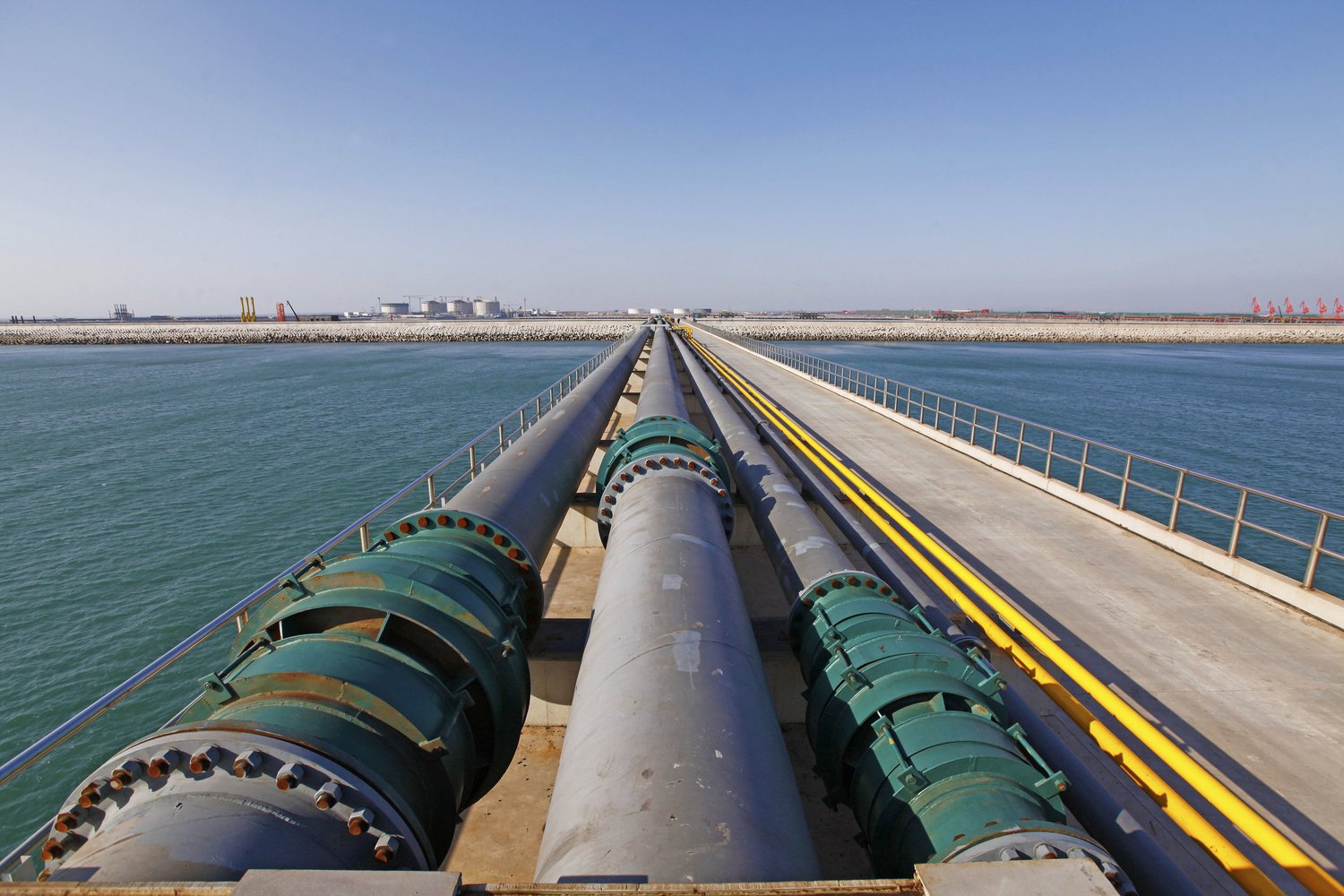
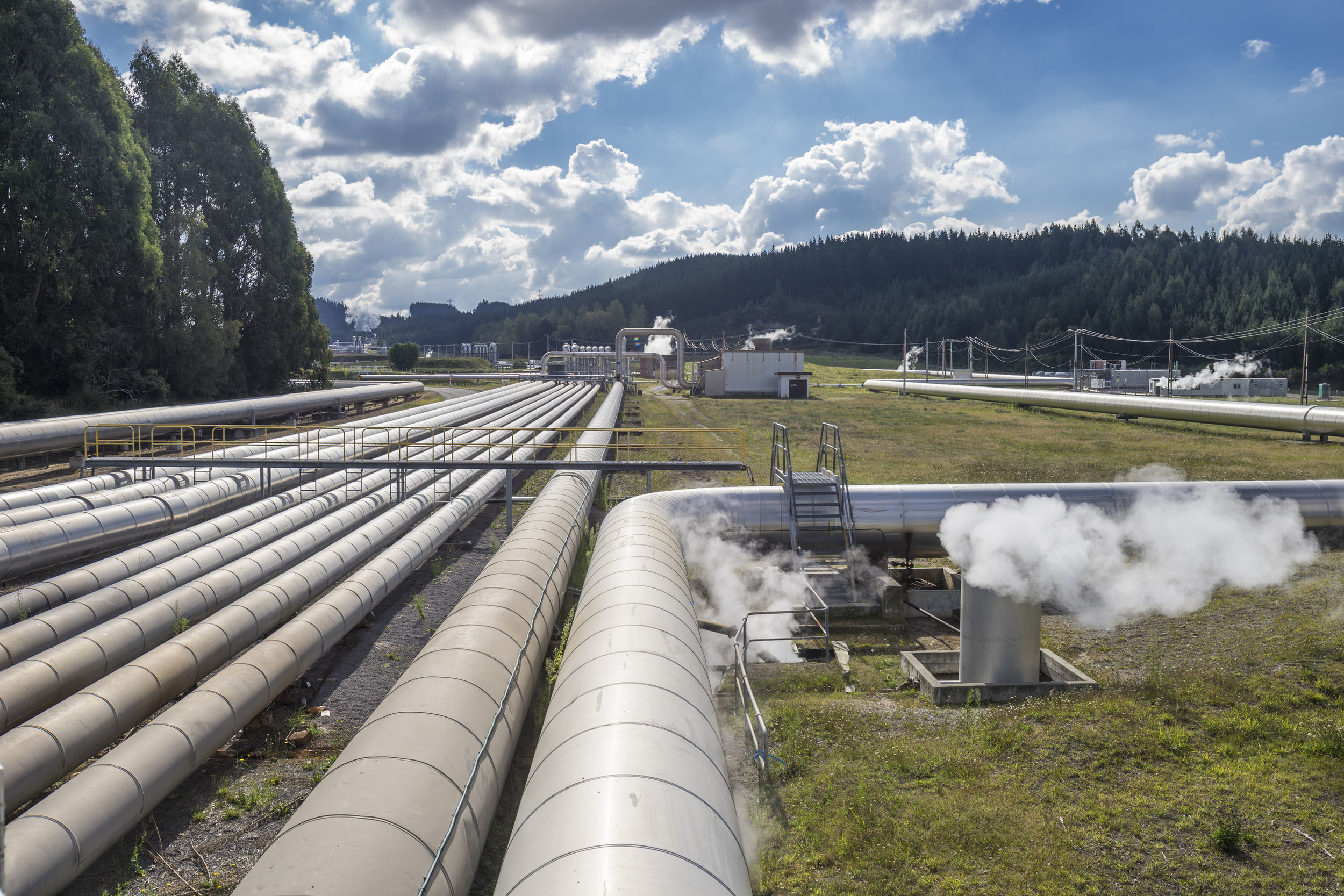
Negative pressure wave illustration
Hydrostatic Leak Detection Testing

The standard pipeline integrity test, instrumented.

The hydrostatic test is the standard method to test a pipeline's integrity. It's required before a new pipeline is placed in operation and whenever the Maximum Operating Pressure (MOP) is established or changed.

The SPL100 hydrostatic configuration uses the same high-rate pressure sampling stack — several hundred samples per second — to identify the presence and location of any pre-existing or newly-developing leak during the test window. Field-installable in minutes, no mod/demob charges.

Pipeline hydrostatic test in progress
SPL100 Specifications

Field-deployable, network-ready, customer-installable.